
Here is the truth behind the scandals—and how to distinguish genuinely natural, high-quality tea from a mass-market fake.
1. Tea Dust Sold as Premium Loose Leaf
The biggest scandal involves brands marketing fine BOP (Broken Orange Pekoe) grades or even plantation residue/dust at the price of full leaf tea.
-
The Problem: Tea dust offers significantly less flavor and fewer health benefits, oxidizes faster, and can be a mix of various low-quality fractions.
-
Sign of Fraud: A notable lack of whole tea leaves in the package, resulting in a "hollow," sharp, or overly bitter taste when brewed.
2. Artificial Flavors vs. Natural Ingredients
The second major cause of the scandals is the use of synthetic flavorings in place of real spices, berries, or herbs.
These scents often "kill" your sense of smell upon opening the package: if the aroma hits you forcefully, it’s not natural tea—it’s closer to perfume.
Why This Is a Problem:
-
Synthetics often mask low-quality base tea.
-
The artificial aroma quickly dissipates.
-
The ingredient list often lacks any actual spices or fruits, relying solely on chemicals.
3. Mislabeling the Country of Origin
Another "tea scandal" involves brands labeling their products as "Ceylon" or "Indian" when they actually use cheap, unverified raw material assortments with no traceable origin. This is a common form of tea fraud.
How to Verify:
-
Genuine suppliers provide official certification.
-
The country of origin is stated transparently on the packaging.
-
The aroma and taste should clearly match the typical profile for that region.
4. Why Natural and Transparent Blends Are the 2026 Trend
Against the backdrop of these exposés, the market is shifting back toward purity and transparency: real spices, pieces of berries, whole leaves, and locally sourced herbs.
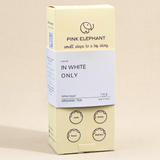
This is precisely the approach of Pink Elephant—transparent ingredients, no artificial flavors, and no "magic additives." Just natural, pure taste.
5. How to Spot Quality Tea in 10 Seconds
When inspecting your tea, look for these five clear signs of quality:
-
The Leaf: Large or medium-sized, with no visible dust.
-
The Aroma: Soft, gentle, and natural, not overpowering.
-
The Taste: Deep and complex, with no chemical sharpness.
-
The Infusion Color: Not overly vibrant or artificially bright.
-
The Ingredients: A clear and simple ingredient list you can understand.
Conclusion: The recent tea scandals are not necessarily a bad thing—they are a necessary market cleansing. They give genuinely natural and pure loose leaf tea brands a chance to stand out, making 2026 the Year of Transparency.